The Limits of YouTube
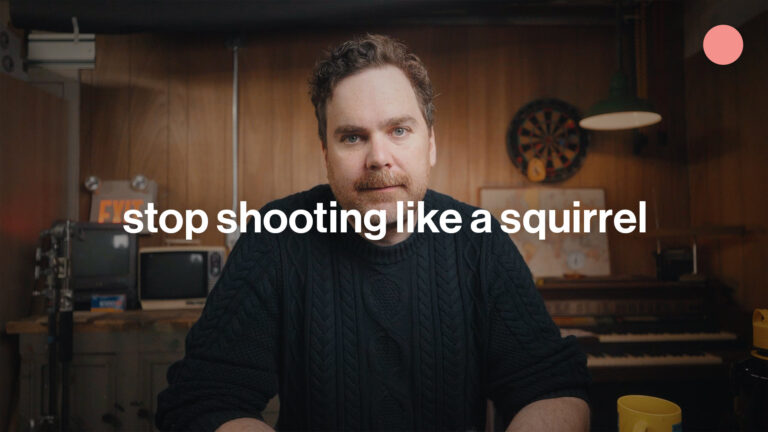
Hi I’m Jesse Senko, a photographer and filmmaker that explores the creative process here and on my YouTube channel.
I’m a sucker for short form knot videos. They always stop me. But a few weeks into my first sailing season, of actually sailing, and I still struggle with a bowline.
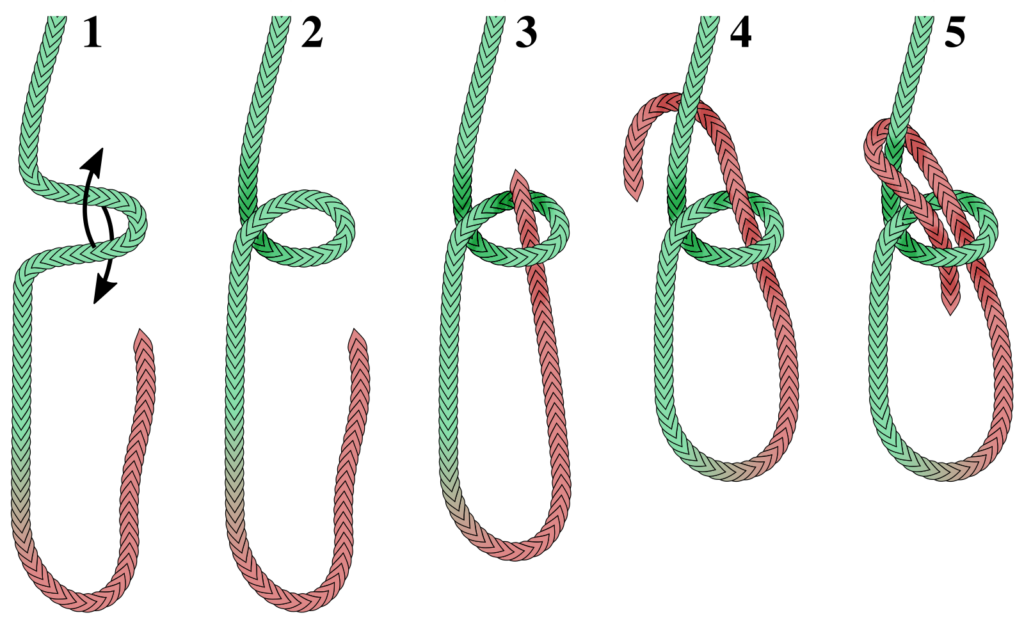
When we watch a short form hack video, hack 1 is forgotten by the time I get to hack 3. The theory slips away and we’re left with little. All theory, no application.
I’ve fooled myself into thinking that these tidbits are safely stored. Turns out they’re in a very porous reservoir labeled “someday”.
I recognize good ideas, but recognizing is not remembering.
Can you imagine thinking “I just need to watch one more video before I try to ride a bicycle”? You just have to feel it.
Out of the hundreds of filmmaking hacks I’ve seen in online videos I can only think of one stupid tip that stuck – using spring clamps as mini legs to hold up small pieces of foamcore for table-top photography and filming. I saw a video and recognized that it was a good idea. In that moment I likely walked over to my little overhead shooting area and grabbed a spring clamp and tested it out.
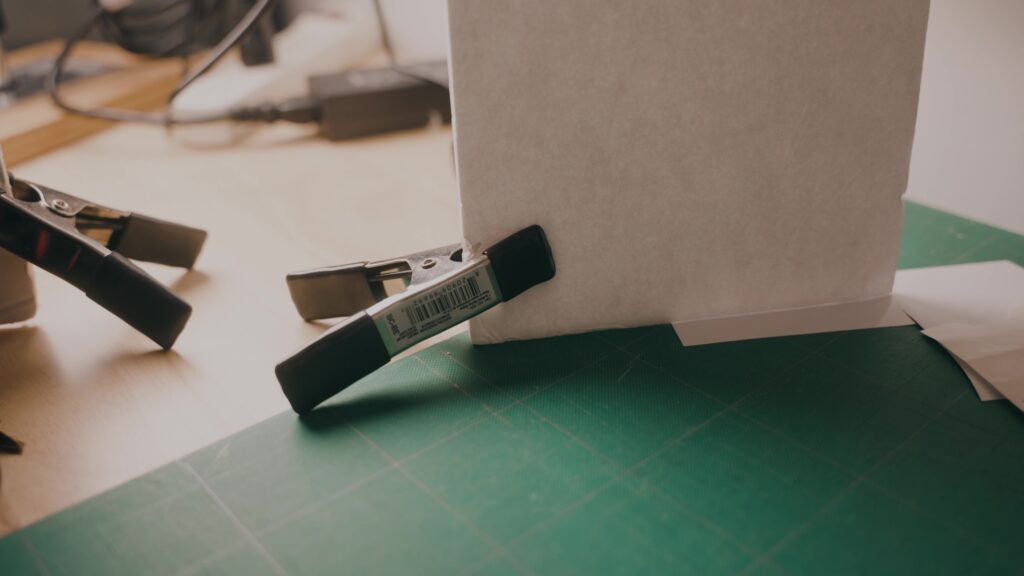
I’ve used foamcore for years in almost every filming and photography situation including the little overheads I do for my youtube channel.
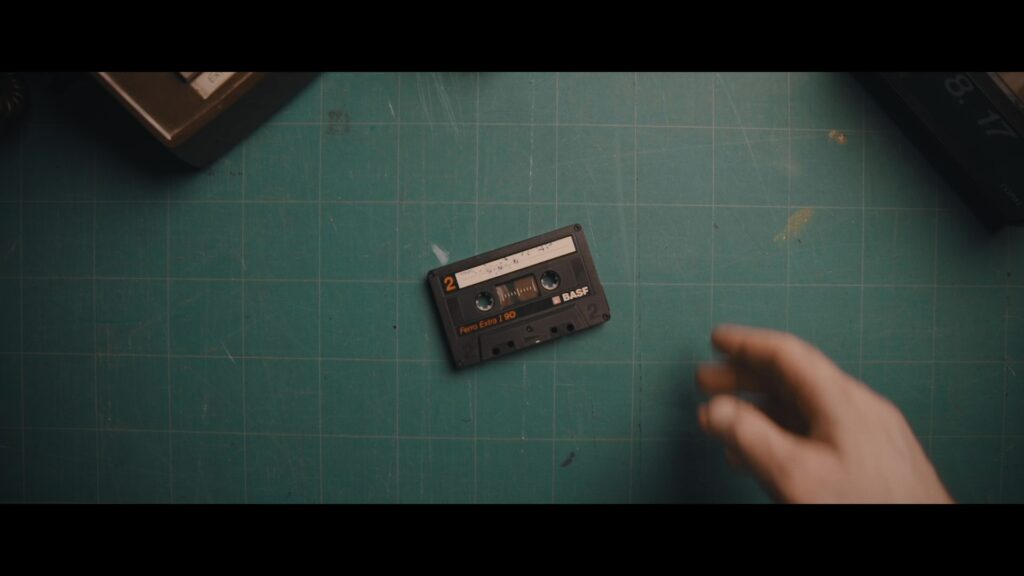
I use it to control contrast. White foamcore to reflect light and reduce contrast, black foamcore as a negative-fill, removing reflected light, adding contrast.
I was modifying current behaviours. I knew what the old way felt like, and now I knew what the new way felt like. Physically.
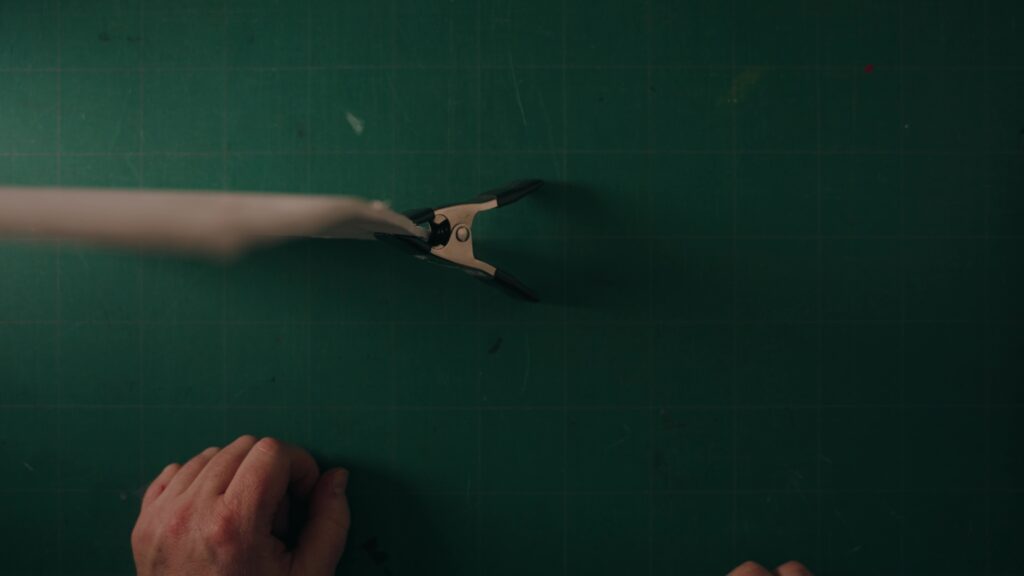
Make it physical
Using YouTube as an education tool will only work if it’s concurrent with doing. Like the spring clamp hack modifying an already existing behaviour, I’d argue that YouTube is more powerful after you’ve tried something.
You stop trying to learn EVERYTHING. You stop thinking you NEED everything.
Going down a YouTube rabbit hole on learning how to ride a bike could quickly snowball into watching a video on how clipless pedals work on a $20,000 road bike. Maybe braking should be the current focus.
The great filter is: the physical doing. Then you can actually focus your learning.
The physicality of learning isn’t just a digital problem. Ryan Holiday makes a ton of highlights in the physical books he reads (these highlights are the equivalent of the bookmarked videos we’ve saved for “someday”). But then, physically, as a part of his practice, copies them to a notebook. By hand.
He makes what he reads a part of his body, not just his brain.
Researching this, i’ve learned the idea is pretty old and can be simplified as “read-think-write”.
Or in our case, “read-think-do”.
Or what if we modified it more:
“Do-read-think-do again”
Balance out that “learning”
This is the limit of YouTube, of short form video. I love youtube (i kinda feel like i’m biting the hand that feeds me here), but it’s not learning until your body feels it. And these platforms are designed to take the shape of whatever you need to stay engaged, even if it’s quick dopamine hits of “learning” to hold you off from doing for a little while longer.
If you’re not doing. If you’re waiting for the “right” amount of info: You’ve studied enough. For now. Build a practice based around doing. Find out how you create. Doing will filter out the BS, the “content”, the trends.
Recognizing is not remembering.
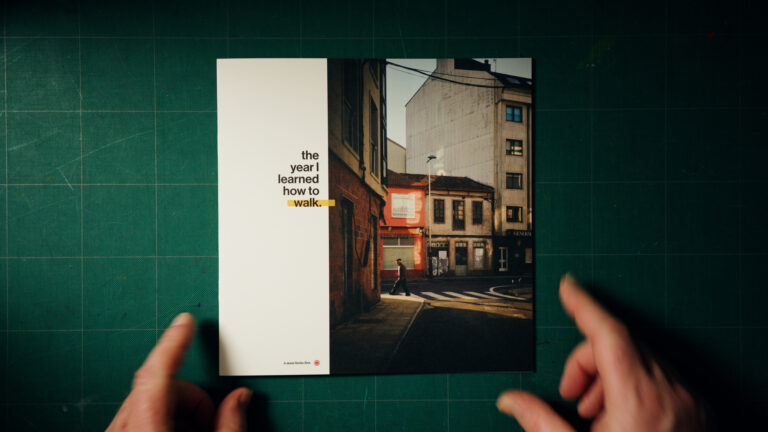
Thanks for reading. Consider supporting me by grabbing my zine, or through Substack or Patreon. Connect with me on Instagram, Threads, YouTube, or jessesenko.com.